What is a Natural Anticoagulant?
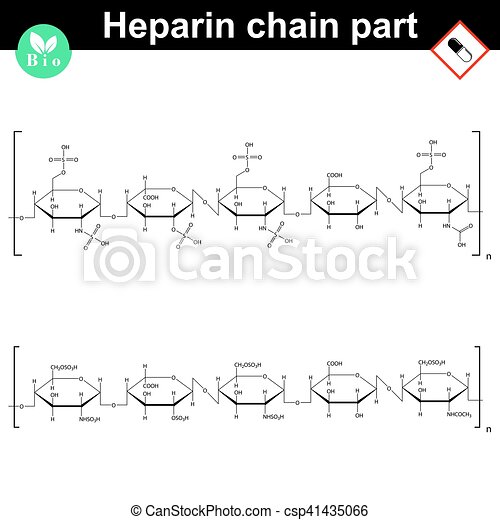
April 15, 2022A natural anticoagulant is a substance that occurs naturally in the blood. It can be used as a drug to prevent clots in the body. It works by blocking the activity of thrombin, a substance that contributes to the formation of clots. By increasing heparin levels in the blood, heparin decreases the time needed for a clot to form. This medication is most commonly used for treating pulmonary embolism and deep vein thrombosis. It is also often combined with other anticoagulant drugs.
A deficiency of natural anticoagulant proteins is typically inherited homozygously. It is usually caused by a deficiency of a protein called antithrombin. The index case was found to have a lower concentration of these proteins than his parents. The Mann-Whitney U test was used to compare the concentrations of index cases with the lowest of two corresponding values in each parent. Because the clotting process is triggered by inflammation of the liver, the natural antioxidants produced by the liver are depleted and the body is unable to stop the clotting process.
The aging process in humans causes changes in the blood clotting system. It reduces the activity of coagulation factors in the blood, and age is positively related to clotting parameters. It also increases the risk of developing blood clots, which is higher than for people with hereditary thrombophilia. In fact, obesity is a greater risk factor than hereditary thrombophilias, so lifestyle modifications are important.
Symptomatic people with blood clots may choose to undergo genetic testing to see if they have the natural anticoagulant deficiency. However, it is not necessary to test healthy relatives of those with the disease. Although genetic risk for this disease is genetic, some lifestyle changes can reduce the risk of developing the condition. For instance, eating more fruits and vegetables is another way to lower the risk. If you have a family member with a natural anticoagulant deficiency, you should consider testing them as a way to make sure you’re aware of any risks.
A patient who suffers from a natural anticoagulant deficiency may want to undergo testing for this disorder if a family member has the deficiency. They should also get tested if they have a recurrent or unexplained PE. There are other disadvantages of testing healthy relatives with the condition. There are many risks associated with this disease, and some people may be more sensitive to the condition.
If there is a family member with a natural anticoagulant deficiency, you may want to consider undergoing genetic tests for this disease. Genetics can affect the ability to fight blood clots, and it can also cause bleeding problems. There are several natural anticoagulants that can help the body regulate the blood clotting process in the body. They are essential for normal health and can also help prevent strokes and heart diseases.
A natural anticoagulant deficiency can occur in people who have normal levels. If you are a family member with a deficiency, you may want to consider getting tested. If you have recurrent or unexplained PE, it may be important to get a blood test for this. Taking anticoagulants can reduce your risk of a blood clot. It’s crucial to ensure that your blood clotting system is functioning properly and that you’re getting enough of them.
A person with a deficiency in the natural anticoagulant will require a lifelong anticoagulant. If he or she has a family history of a deficiency, you may want to consider getting tested for this disease. The benefits and disadvantages of this testing are not fully understood. A person with a deficiency will not need to take anticoagulants, but the treatment will depend on the circumstances.
Symptoms of a natural anticoagulant deficiency are not usually apparent until the first blood clot. In a patient with a deficiency of the natural anticoagulant, a clot may form, and the risk of a second clot is higher. Depending on the circumstances, lifelong anticoagulant treatment is not always recommended. Instead, it is often necessary for the person with a deficiency to take the medication for the rest of their lives.