Tylenol Cold and Flu – Signs of an Overdose
November 24, 2022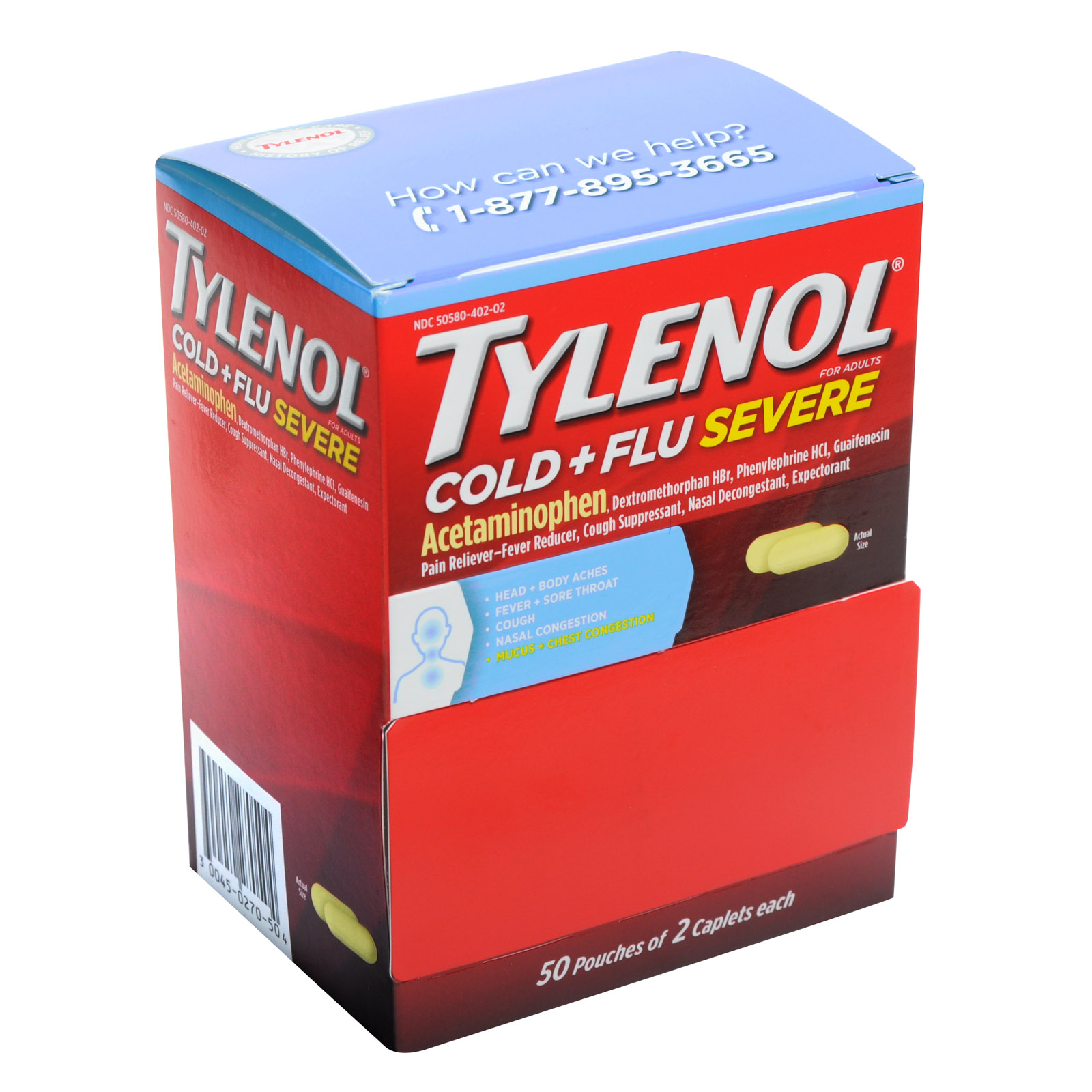
Taking too much of tylenol cold and influenza acetaminophen can lead to an overdose. Read this article to learn about the signs of an overdose. You may also want to avoid alcohol while taking tylenol cold and flu acetaminophen. However, if you are concerned about the drug, do not drink alcohol until you have reached your doctor’s advice.
Symptoms of tylenol cold and flu acetaminophen overdose
Taking too much of the common cough and cold medicine Tylenol Cold + Flu Multi-Action Day/Night Extra Strength (Oral) can have serious side effects. If you’re unsure how much you need, use the measuring device included on the medicine’s label. You can easily overdose on acetaminophen using a household teaspoon. The danger is greater for very young children, as they can overdose on this drug and cause liver damage.
If you take too much of Tylenol Cold + Flu Multi-Action Day/Night Extra Strength, you’re at risk of overdose. The overdose symptoms listed above are often mistaken for flu. You may be taking too much, or you may have taken too much of another medicine. Make sure you measure your dose correctly, and always store your medicine at room temperature.
Acetaminophen is a commonly sold drug, and it is found in many OTC and prescription medications. It’s the most common active ingredient in drugs sold in the United States, and over 600 brands contain acetaminophen. If you overdose on acetaminophen, you may cause serious liver damage and possibly even death.
Avoid drinking alcohol while taking tylenol cold and flu acetaminophen
Although acetaminophen itself is generally safe, mixing it with alcohol can have dangerous consequences. Drinking more than three alcoholic beverages per day can increase your risk of liver or kidney damage. Avoid drinking alcohol or mixing acetaminophen and other prescription medications, and don’t take more than three thousand milligrams of acetaminophen per day or for more than 10 days at a time.
While alcohol may not directly interact with the antiviral properties of acetaminophen, it will add to the drowsiness caused by the cold medicine. Additionally, alcohol will make you more prone to overdose. This is why it is best to avoid drinking alcohol while taking Tylenol cold and flu acetaminophen.
If you must drink alcohol while taking acetaminophen, do so only when you are taking Tamiflu or Xofluza. You should also consult a physician or pharmacist for guidance on how to safely use acetaminophen while drinking alcohol. In addition, you should not mix alcohol and Tylenol, which is metabolized in the liver and can cause severe harm.
While drinking alcohol while taking Tylenol can be safe for most people, the opposite is true for cough medicine. Combining alcohol with cough medicine can cause drowsiness or even fatalities. Alcohol can also interact with dextromethorphan, another ingredient in cough medicines. The alcohol may make your cough medicine less effective or even toxic.
When taking acetaminophen with alcohol, you should not exceed the recommended dosage. If you feel that you have taken too much, you should stop taking it and consult a doctor. If you have questions, talk to your pharmacist or doctor. If you think you have taken too much, call your doctor immediately or stop taking the medication. If you think you have taken too much, consult your pharmacist or doctor right away.
While it’s generally safe to drink alcohol while taking Tylenol, it’s important to read the package insert carefully and make sure it doesn’t interact with alcohol. Check with your pharmacist or doctor before taking any over-the-counter medication. In some states, it’s even illegal to purchase this medication if you’re under the age of 18.
Taking tylenol cold and flu acetaminophen
When taking Tylenol Cold and Flu, take it only as directed. Do not take more than the recommended daily amount. It may interact with other medications, including over-the-counter medicines and vitamins. Always consult your health care provider before taking acetaminophen. This pain-relief medication is also known to increase the risk of heart disease and stroke.
The ingredients of Tylenol Cold and Flu Severe are acetaminophen, guaifenesin, dextromethorphan, and phenylephrine. Acetaminophen is a pain reliever, while dextromethorphan suppresses coughs by altering signals in the brain that trigger coughing. Guaifenesin helps loosen chest congestion, and phenylephrine works as a decongestant by shrinking blood vessels in the nose and nasal passages. These ingredients can also cause sinus congestion and stuffy noses.
While acetaminophen is a safe and effective drug, it’s important to know how much you should take. Overdosing can cause liver toxicity. Make sure you don’t exceed the recommended dosage, and consult a health care provider or pharmacist for recommendations on the correct dose. Viral illnesses usually get better with time, rest, and fluids.
You can take two caplets per day if you have a severe cold or flu. For children, take one caplet every four hours, preferably with food. Always follow directions on Tylenol Cold and Flu Severe Day In Each Caplet. Make sure not to chew, crush, or dissolve the pills. Also, consult your physician if you have questions about dosage.
While Tylenol Cold and Flu Multi-Action Day/Night Extra Strength (Oral) contains acetaminophen, it should not be taken with alcohol. Taking this medicine together with alcohol can lead to fatal liver damage. It should also not be taken with medications that impair alertness, such as driving or performing other activities requiring alertness.
In addition to the potential side effects, Tylenol Cold and Flu Severe is also known to cause liver damage, which can lead to serious conditions. The most common symptoms are dark urine, fatigue, trouble urinating, and yellow skin or eyes. Alcohol should not be taken with Tylenol Cold and Flu Severe as it could worsen these conditions.