Tylenol Cold and Flu Dosage For Adults
March 1, 2022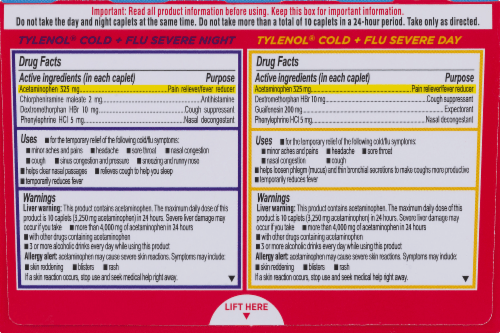
If you’re an adult, you’ve probably had questions about the proper Tylenol cold and flu dosage. Learn about the Safe Dose for Acetaminophen, the ingredient in Tylenol. And don’t drink alcohol while taking Tylenol. You can damage your liver with too much acetaminophen! This article will explain the proper dose of Tylenol and the possible side effects you can experience when you take this medication.
Avoid drinking alcohol while taking Tylenol
As with most medicines, alcohol and cold and flu medications can interact with each other. In addition to interacting with allergy medications, cold and flu medications can have a detrimental impact on your health. It is therefore important to follow all directions on the packaging of these medications, especially if you’re taking more than one medication at once. Listed below are some of the ways to reduce the risk of side effects of cold and flu medications and alcohol.
Alcohol and Tylenol do not mix well. This is not always possible. Drinking alcohol while taking this medicine has been known to lead to liver and kidney damage. Therefore, it is important not to drink more than three alcoholic beverages per day or more than 3,000 milligrams of acetaminophen a day. Avoid taking the two medications at the same time for more than ten days, and consult with your doctor or pharmacist if you’re not sure about whether they are compatible or not.
In addition, it is important to understand the risks of overdosing on acetaminophen. If you drink a large amount of alcohol during a cold or flu, your body’s enzymes are not able to process the drug properly. This can cause severe liver damage. Additionally, drinking alcohol and Tylenol may worsen existing liver problems.
Taking too much Tylenol can damage your liver. You may be able to function better if you don’t drink alcohol while you are taking this medication. Alcohol is a known irritant to the liver, so if you’re taking more Tylenol than recommended, don’t do it. Alcohol can also increase the risk of liver damage when taken together with acetaminophen.
In addition to the side effects, alcohol may interact with your medication and cause you to experience nausea, drowsiness, fainting, heart problems, and breathing difficulty. Alcohol can also make your medication less effective or toxic. Also, many over-the-counter pain killers have been linked to liver damage. This is why it’s vital to read labels carefully. However, if you want to take alcohol along with your medication, you should first talk to your doctor or pharmacist before taking any medications.
While most cold and flu medicines are safe and effective when used according to their instructions, drinking alcohol while taking the medicine may cause a negative interaction. Drinking alcohol with popular over-the-counter cold and flu remedies is not advisable, and could even lead to a fatal outcome. In addition to Tylenol, Vicks DayQuil and Tylenol SEVERE can also interact with alcohol, so you should consider these precautions.
As a rule, a person who binges drinks should avoid drinking alcohol while taking acetaminophen. In addition to alcohol, people who consume a lot of alcohol are at risk for liver damage. Therefore, they should discuss their alcohol consumption with their doctor before taking acetaminophen. Remember that a doctor cannot judge you, but they should give you the right recommendation based on your medical history.
Safe dose of acetaminophen in Tylenol
In many cases, the safe dose of acetaminophen contained in Tylenol for cold and influenza is sufficient to treat the symptoms of a fever and pain. However, many people may not know that acetaminophen is also a possible cause of liver damage. Because acetaminophen is a pain reliever and can impair thinking and reaction, you should be careful when performing activities that require alertness.
While the recommended daily dose for adults is four hundred milligrams, some experts recommend a lower dosage of three and a half to three-quarter-tablets per day. This is especially true when taking Tylenol on a daily basis for a week or more. Some manufacturers of acetaminophen products also provide a recommended daily dosage based on the strength of the tablets.
The safe dose of acetaminophen found in Tylenol for cold and fever for adults is generally eight milligrams per kilogram of body weight. Children, however, should not take more than 27 milligrams per kilogram of body weight in 24 hours. If you have concerns about your acetaminophen dosage, talk to your doctor immediately.
When taking acetaminophen for cold and flu, you should never take more than the recommended dosage or take it more frequently than instructed. It’s best to contact a doctor if your symptoms persist or if the pain worsens. Similarly, if you notice that you’re having an allergic reaction to acetaminophen, stop taking it immediately.
If you’re not sure about the correct dosage for you, check the label of the product. Make sure to check all medicines before taking them. You may also find that different abbreviations are used for the same ingredient. If you’re allergic to acetaminophen, be sure to tell your doctor before you start taking the medicine.
If you’re taking acetaminophen, it’s important to remember that it’s not safe to combine it with another type of cough and cold medication. The combination of these products is highly likely to cause an overdose in some people. Hence, it’s best to take a child-specific product instead of an adult-specific one.
The safe dosage of acetaminophen in the prescription medicine Tylenol for cold and flu should not exceed 4,000 milligrams (mg) per day. While this dose is high enough to relieve symptoms, it is not safe to use it for a long time. A doctor’s advice is recommended for those who are taking it frequently.
The over-the-counter medicine Tylenol contains 325 milligrams of acetaminophen. It should be taken orally, with or without food. You can take two tablets or capsules every four to six hours, depending on the severity of your symptoms. You should also avoid lying down for half an hour after taking Tylenol to prevent a pill from passing through your esophagus.
Side effects of acetaminophen in Tylenol
When you are taking a cough and cold medicine, make sure to take it for only as long as your doctor recommends. Taking it for longer than needed can damage your liver or cause you to experience life-threatening side effects. To avoid such problems, be sure to follow the recommended dosage and to measure it with a special measuring device provided by your pharmacist.
For the best results, follow the instructions on the label and don’t exceed the recommended dose. Likewise, never take more than 4000 mg per day. You can always ask your pharmacist for guidance. If you have several medications with different doses, consult a pharmacist to determine the correct dosage for you. Avoid taking more than one product at a time if you don’t feel well.
While acetaminophen has few known side effects, excessive use can cause a potentially dangerous reaction in your body. If you become pregnant while taking this medication, you should avoid using it or discontinue use immediately. The possibility of a skin rash is also high. For pregnant women, it’s important to consult a physician before using Tylenol.
When using acetaminophen in Tylorad cold and flu dosage for adults, it’s crucial to understand the exact age of your child. A medicine intended for adults may be too large for a two-year-old child, and vice versa. If you have a child younger than two years, you should consult a pediatrician first before giving it to him or her.
The maximum recommended acetaminophen dosage for adults is 1,000 mg per day. It should not exceed 4,000mg per day, but you should not take more than 650 mg every six hours unless your doctor or pharmacist suggests otherwise. This may differ depending on the individual’s needs and other medical conditions. If you’re unsure of your specific dosage, ask your pharmacist to help you.
While acetaminophen is a safe over-the-counter pain reliever, it’s important to know that it can cause liver damage if taken in excess. According to the Food and Drug Administration (FDA), a single dose of acetaminophen can cause liver damage. Therefore, you should check the labels of all your medications to avoid this risk.
The drug manufacturer recommends a safe, effective dose based on the individual’s weight. Children should receive no more than 75 mg of acetaminophen per day. However, if your child is under 12 years old, it’s safe to use ten to fifteen mg per kilogram every four to six hours. Using too much acetaminophen can cause stomach irritation and liver damage.
If you take too much acetaminophen, you could develop liver damage. If you take too much, your liver will break down the drug into another substance. This is unlikely to happen with a normal dose of acetaminophen. You should also keep a record of how much acetaminophen you take each day to avoid potential health risks.