How to Reduce the Cost of Tylenol Cold and Sinus Medicine
August 19, 2022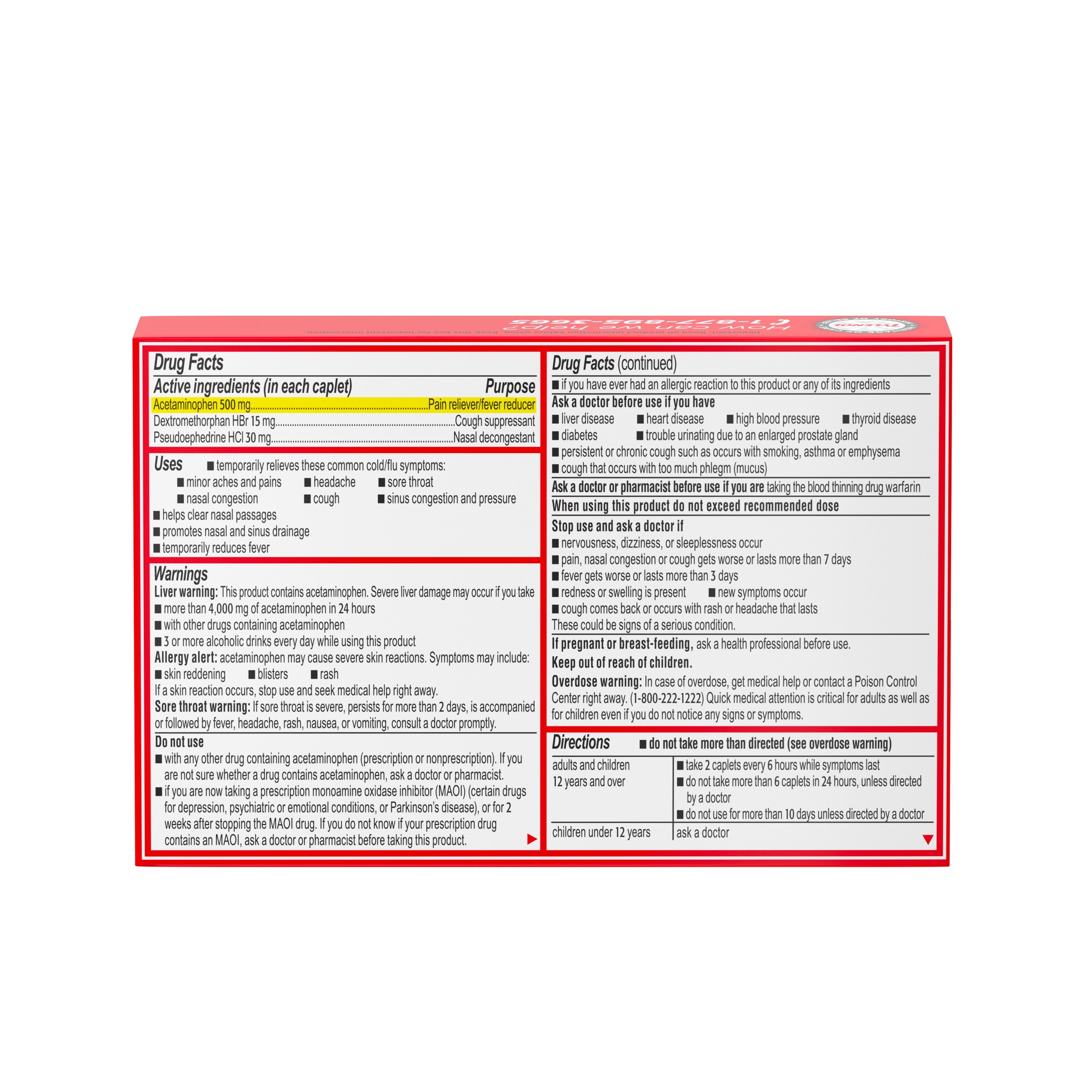
In case you haven’t heard of Tylenol, you’ve probably been in a cold or sinus attack, and you’ve looked for a quick cure. The best remedy for your symptoms is one with multisymptom relief. But you need to consider the side effects, precautions, and cost of this medicine before buying it. Keep reading for helpful information. After all, you’re battling a common cold and sinus infection, and no one wants to spend hours in bed.
Symptoms
Advil Cold & Sinus has been a trusted cold medicine for more than 20 years, and is still a popular choice for many people who experience the toughest symptoms of a sinus infection. While many people attribute increased mucus in the nose to sinus pressure, sinus congestion may be associated with inflammation of the tissues in the nose and swollen airways. Regardless of the cause, Advil Cold & Sinus provides non-drowsy relief from the symptoms of a sinus infection.
The ingredient in Tylenol Cold and Sinus Medicine is acetaminophen, the original OTC brand name for this drug in the United States. While it is not an NSAID, it does not carry the same risk of gastric bleeding as many other anti-inflammatory drugs, and can cause nausea and upset stomach. Alka-Seltzer, another popular cold and sinus medicine, contains a different combination of drugs, including dextromethorphan and acetaminophen.
In addition to Tylenol cold and sinus medicine, you can also find multi-symptom products at grocery stores or drugstores. Many of these products have the same ingredients as well as other OTC medicines. Compare their ingredients to make sure you get the one that best suits your needs. If you’re not sure which one to choose, consider talking to your pharmacist or doctor about the benefits and risks of a particular product.
A combination of alcohol and Tylenol isn’t recommended for children under 6 years of age. In addition, these products can interact with other drugs, vitamins, or herbal supplements. Always consult with your doctor before taking any cough or cold medicine, as they can cause liver toxicity. If you take a combination of acetaminophen and alcohol, the risk of an overdose is higher.
Side effects
While most Tylenol cold and sinus medicine products are effective, there are some side effects to be aware of. If used in excess, acetaminophen may cause liver damage, an allergic reaction, or other health problems. For these reasons, it’s best to discuss possible side effects with a doctor before administering the medicine to children. For adults, a multisymptom cold and sinus medicine such as Advil Multi-Symptom Cold and Flu or Tylenol is recommended. For children and adolescents, Advil is not recommended; do not exceed six doses per 24 hours. NSAIDs may cause stomach ulcers and other side effects. If mixed with alcohol, the risk of stomach ulcers is even higher.
Tylenol Cold & Sinus Daytime Extra Strength has the same composition as its nonprescription counterpart. The label for both products contains a warning about overdose, and the active ingredient in Tylenol is acetaminophen. It is one of the leading causes of liver failure in the U.S., and may even cause fatalities in some people. Those with risk factors may also be at risk of developing liver problems.
Some Tylenol cold and sinus medicine contain the same ingredient as NyQuil, which has an NSAID called acetaminophen. While acetaminophen is a nonNSAID, it may cause stomach upset and nausea. Similarly, Chlor-Tabs may cause nausea and vomiting. Taking Tylenol with Nyquil could cause stomach pain and cramping.
NSAIDs and nonsteroidal anti-inflammatory drugs can have severe side effects. These drugs are often prescribed to treat symptoms, not the underlying causes. Therefore, it’s important to check for these side effects before taking any type of antihistamine. However, you should avoid taking these medicines if you suffer from a chronic condition. They may also have dangerous side effects, such as bleeding.
NSAIDs and antibiotics aren’t the best treatment for a common cold. These drugs work only for secondary infections caused by bacteria. Since colds are usually caused by a virus, antibiotics aren’t an appropriate choice. If you’re still worried about any side effects, talk to your healthcare provider. The information provided on Tylenol cold and sinus medicine side effects isn’t complete.
Precautions
There are a number of safety concerns with cold and sinus medicine, especially acetaminophen. As with other NSAIDs, Tylenol Cold and Sinus Medicine has several possible side effects, including impaired thinking, vision, and coordination. It can also cause liver damage and may impair sleep. For this reason, it is very important to follow the instructions on the label, including avoiding overdose and keeping medication out of the reach of children.
The most important precautions to take while using Tylenol Cold and Sinus Medicine include taking the recommended doses, not exceeding recommended doses, and not using it longer than directed. If you take Tylenol more than recommended, you run the risk of liver damage, and even death. Be sure to mix the medicine with water or drink enough water to dilute it properly. And make sure to take the last dose before bedtime.
In addition to these precautions, you should also avoid taking any medicines that contain acetaminophen. Acetaminophen can cause severe reactions in some people, including skin blistering and peeling. If you experience such a reaction, discontinue taking the medicine immediately. If the symptoms are severe, consult a doctor. If you have an allergic reaction, stop taking the medicine and seek medical attention immediately.
If you have a health condition or are taking other medications, you should not take any medicines that contain acetaminophen. If you must take pain relievers, you should alternate acetaminophen with ibuprofen instead. While you’re at it, consider taking a rescue inhaler, zinc supplements, and vitamin C. A good home remedy for the cold is echinacea, vitamin C, and zinc supplements.
Cost
How to reduce the cost of your cold and sinus medicine? The basic ingredient of many “cold and sinus” medicines is acetaminophen. Most pharmacists prefer to purchase a generic headache medicine for their patients. Tylenol contains the same five active ingredients as many other over-the-counter medicines. They contain acetaminophen, a fever reducer, an antihistamine, an expectorant, and cough suppressants.
While Tylenol is often prescribed for the treatment of a cold or sinus infection, it can interact with other drugs and herbal remedies. Alcohol can cause a fatal overdose of the medication. Take caution when participating in activities that require alertness while taking this medicine. If you are taking Tylenol for a cold, you should not drink alcohol. Alcohol will increase the risk of liver damage.