Acute Flaccid Myelitis – Causes, Symptoms, and Treatments
July 26, 2022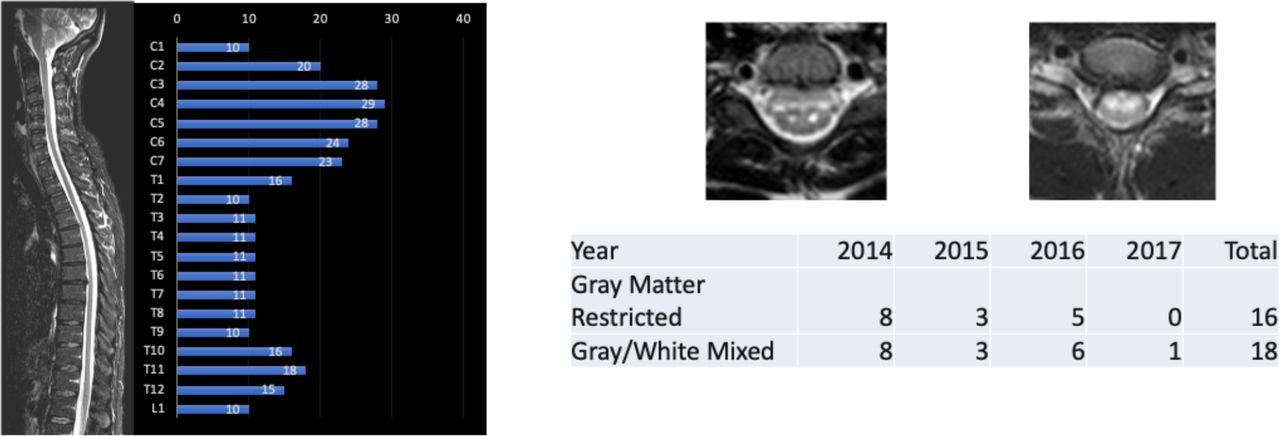
Acute Flaccid Myelitis is an unusual disease that affects children. Fortunately, the CDC has updated information about the disease. In this article, we will discuss its causes, symptoms, and diagnosis. We will also discuss how to treat the condition. Listed below are a few of the most common treatments for this disease. Continue reading for more information. This article was originally published on January 22, 2012.
Case definition
Acute flaccid myelitis is a rare but potentially fatal condition of the nervous system and spinal cord. It causes abnormal muscle tone and reflexes, causing the affected person to lose their ability to move their limbs. Although most people develop AFM due to viral infections, some cases are genetic in nature and are caused by toxins or environmental toxins. To determine whether an individual has AFM, a doctor should first determine whether they have any symptoms.
National experts in AFM surveillance review the information provided by patients and assign a final case classification. The classification is similar to that for paralytic polio. It is important to note that the patient under investigation can be any age, as the case definition applies to the full spectrum of the condition. Vaccination protocols should continue as usual, and intravenous immunoglobulin should be administered as needed. Further, long-term follow-up should involve neurology and physiatry services, as the disease can affect both brain and spinal cord.
Diagnostic elements include history, examination, and CSF. Objective weakness of the limbs must occur in H1 or E1 nerves, as well as cranial nerves. MRI imaging can be helpful to confirm the diagnosis. In patients with severe weakness of the respiratory muscles, the presence of bulgar muscle weakness may result in respiratory failure, requiring immediate resuscitation. Furthermore, MRI imaging can be helpful for identifying disease activity in a patient.
The case definition of acute flaccid myelitis was revised in June 2017. It now includes the clinical presentation and provides guidance on the importance of early MRI results for the diagnosis of AFM. MRIs performed at the same time as clinical examinations are also important to differentiate AFM from other causes of flaccid paralysis. The CSF protein level in AFM is often elevated to 1000 mg/dL.
Symptoms
The most common cause of acute flaccid myelitis is an enterovirus infection. These viruses are common among young children, causing respiratory illnesses and fever. Most outbreaks of acute flaccid myelitis occur during the summer months, between August and November. Patients often develop similar symptoms to those of polio, including muscle weakness, drooping face, difficulty moving their eyes, and respiratory failure. Some people also experience changes in their voices, as well as difficulty swallowing.
If you suspect you have AFM, contact your doctor as soon as possible. Your doctor may prescribe physical therapy and antiviral drugs to help you recover faster. MRI scans may be ordered to check your spinal cord and brain. A physician may also recommend immunoglobulin therapy, which is a type of blood plasma that contains healthy antibodies from a healthy donor. In rare cases, a doctor may suggest that you undergo a plasma exchange, a procedure wherein you donate your blood plasma to someone in need.
Diagnosing Acute Flaccid Myelitis is difficult because it shares symptoms with other neurological diseases. However, tests can help doctors differentiate between AFM and other neurological conditions. The main goal of treatment is to manage the symptoms. If symptoms persist, your physician will prescribe an appropriate treatment. However, there is no cure for this condition. The symptoms will usually disappear on their own over a period of time.
Acute flaccid myelitis is an uncommon neurological disorder that affects the spinal cord. The condition causes muscle weakness and loss of reflexes. Some patients may experience cranial nerve involvement, leading to facial drooping and difficulty moving the eyes. Affected individuals may also have difficulty swallowing or speaking. Symptoms may appear suddenly or gradually, and there may be no obvious cause.
Acute flaccid myelitis is a rare neurological disorder affecting the spinal cord and nerves. AFM is often caused by a viral illness, although genetic disorders may also be a cause. AFM is not contagious, but the numbers of people diagnosed with AFM have increased significantly since August 2014. The Centers for Disease Control and Prevention are actively investigating these cases. While it is difficult to determine the exact cause of this rare neurological disorder, the signs and symptoms can provide insight into what you may be experiencing.
Diagnosis
Acute flaccid myelitis is often mistaken for a variety of other conditions. The limited definition includes a prodromal fever, certain pattern of weakness, and imaging studies supporting the diagnosis. Other conditions that may present with the symptoms and signs of acute flaccid myelitis are spinal cord ischemia, Chiari I myelopathy, and meningitis.
Since 2014, experts have been tracking the cases of acute flaccid myelitis. During fall 2018, more cases have been reported in the United States. This illness mostly affects children and young adults, with symptoms ranging from respiratory failure to gray matter lesions of the spinal cord. Because it is a relatively rare ailment, it is crucial that emergency physicians recognize the signs and symptoms of this disease and report suspected cases to state and local health departments.
The most important step in determining the diagnosis of AFM is to perform a lumbar puncture and test cerebrospinal fluid for leukocytes, proteins, and oligoclonal bands. Other tests that may help establish a definitive diagnosis include serum inflammatory markers and metabolic markers. The MRI scan will reveal evidence of injury to the spinal cord. In addition, the cerebrospinal fluid is typically tested for infections and other conditions that may lead to the symptoms.
Acute flaccid myelitis (AFM) is a rare neurological disease that most commonly affects children. It is characterized by sudden weakness of one or more limbs, loss of muscle tone, and diminished or absent reflexes. The condition is often triggered by viral infection, though some environmental toxins and genetic disorders can also cause AFM. The symptoms of AFM vary between patients and may not be readily apparent in children.
Early initiation of therapy is critical in treating AFM. PT and OT are critical to restoring function to affected limbs. With early intervention, patients can return to daily activities and improve their quality of life. And, a polio vaccine is recommended to prevent AFM. So, what should you expect from a diagnosis of AFM? Before your consultation with your doctor, you should learn as much as possible about the condition.
Treatment
While there are no established cures for acute flaccid myelitis, there are some treatments for the condition. These include steroids, plasmapheresis, and intravenous immunoglobulin. Additionally, some experimental antiviral drugs have been studied. Although these treatments aren’t always helpful, they are effective in some cases. In Denver, for instance, six of ten children were discharged home after completing outpatient treatment. In addition, some patients may experience temporary limb weakness and need intensive physical therapy.
Acute flaccid myelitis is usually a recurrence of previous episodes. However, recent data indicate that this condition has an almost biennial recurrence pattern. Further outbreaks are expected in 2020, often following a viral respiratory infection. MRI findings suggest that further outbreaks may occur during the same year. Although further studies are needed to better diagnose and treat cases of AFM, this provisional case description is a useful first step toward addressing future needs.
The symptoms of acute flaccid myelitis include weakness and pain in the arms and legs. Some patients experience respiratory failure and may require a ventilator. People who experience severe symptoms of AFM may experience partial or total paralysis. Affected limbs may not be able to swallow. The CDC is currently investigating the cause of this disease. Some children with AFM also have a respiratory illness.
Acute flaccid myelitis is a rare disease that affects the spinal cord. It can cause sudden weakness of the arms and legs, difficulty speaking, and facial drooping. Treatment consists of a combination of medications and physical therapy. If you experience these symptoms, visit a doctor immediately. The infection may also be a sign of a serious neurological condition. AFM is difficult to diagnose, but treatment can improve your chances of recovery.
The diagnosis of AFM is difficult because the symptoms mimic those of other neurological diseases. Your doctor may order a physical exam and an MRI of the spine. He or she may also perform tests to measure the amount of cerebral spinal fluid and nerve speed. After diagnosis, your physician can prescribe medications and a physical therapy program. If your symptoms are a symptom of AFM, your doctor will likely recommend occupational therapy and physical therapy.