Understanding the Symptoms of Common Diseases
March 16, 2026Understanding the Symptoms of Common Diseases
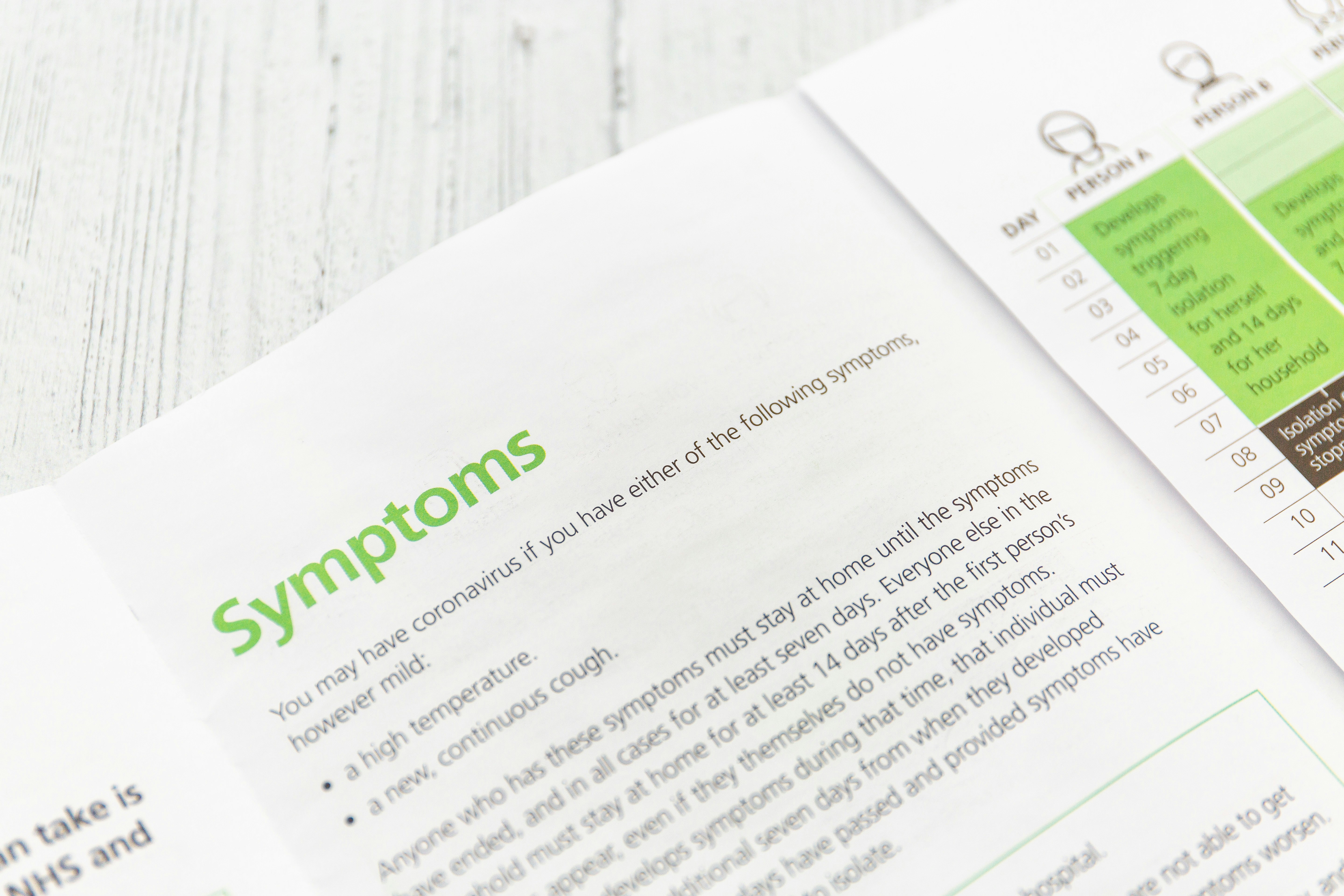
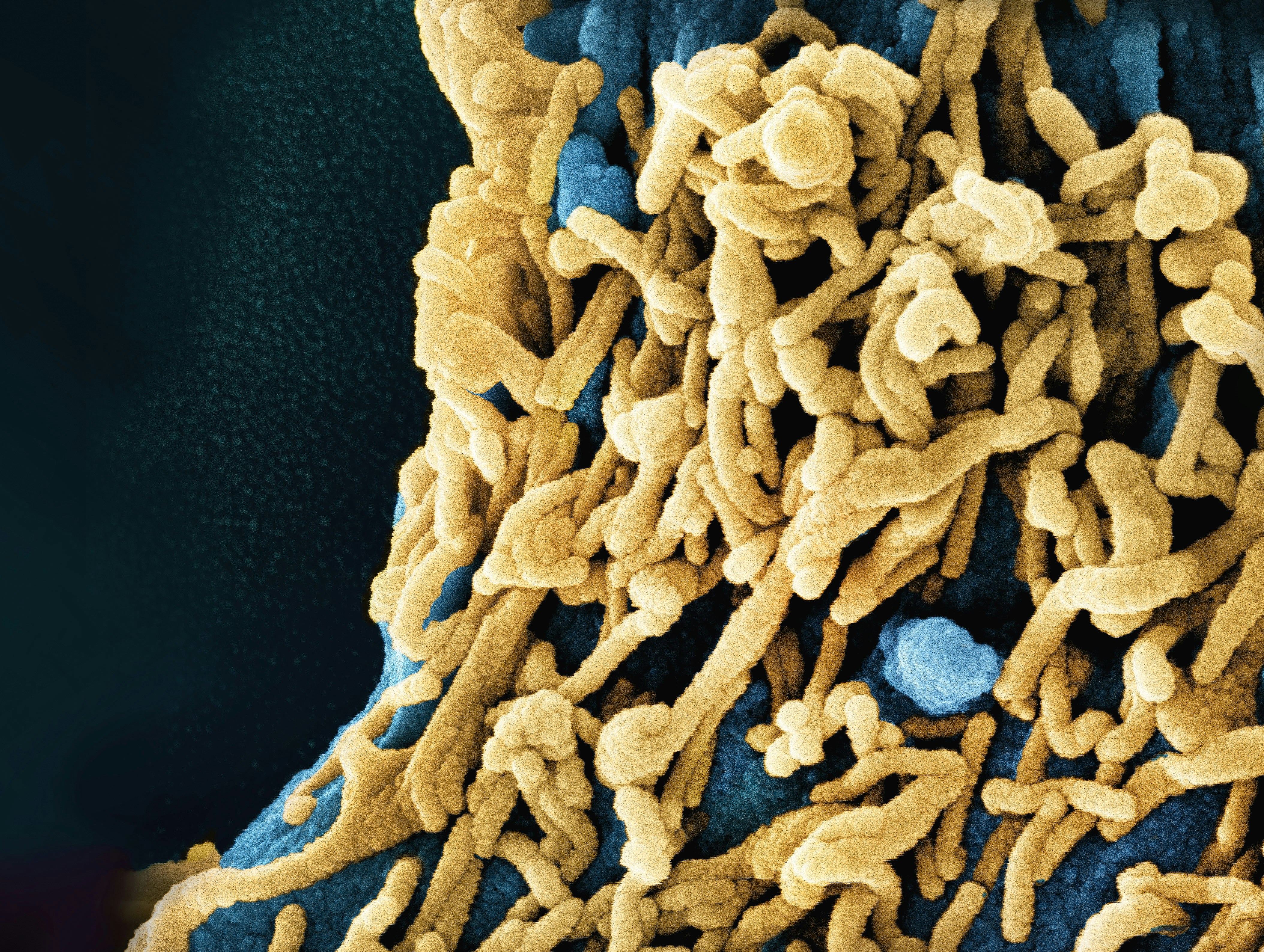
In an age where health awareness is paramount, understanding the symptoms of common diseases can empower individuals to take charge of their well-being. Early recognition of these symptoms can lead to timely medical intervention, potentially saving lives. Whether it’s a mild ailment or a chronic condition, being informed is your first line of defense. This article delves into some of the most prevalent diseases and their associated symptoms, providing you with the knowledge needed to recognize when it’s time to consult a healthcare professional.
The Importance of Symptom Recognition
Recognizing symptoms is crucial for early diagnosis and treatment. Many diseases share common symptoms that can easily be mistaken for less serious conditions. This overlap can lead to delayed treatment and worsening health outcomes. Therefore, understanding what to watch for can significantly impact your health journey.
Common Diseases and Their Symptoms
Various diseases manifest through a range of symptoms. Here, we will discuss a few common illnesses, focusing on their primary symptoms and the importance of addressing them promptly.
1. Diabetes
Diabetes is a chronic disease that affects how your body processes blood sugar (glucose). The most common symptoms include increased thirst, frequent urination, extreme fatigue, and blurred vision. In some cases, individuals may also experience slow healing of wounds or frequent infections. Recognizing these symptoms early is vital for managing diabetes effectively and preventing complications.
2. Hypertension (High Blood Pressure)
Hypertension is often called the ‘silent killer’ as it may not present noticeable symptoms. However, some individuals experience headaches, shortness of breath, or nosebleeds. Regular monitoring of blood pressure is essential, as untreated high blood pressure can lead to severe health issues such as heart disease or stroke.
3. Heart Disease
Heart disease encompasses a range of conditions affecting the heart. Common symptoms include chest pain, shortness of breath, and fatigue. Some individuals may also experience irregular heartbeats or swelling in the legs. Understanding these warning signs can lead to earlier detection and treatment, enhancing the chances of a positive outcome.
4. Asthma
Asthma is a chronic respiratory condition that can cause wheezing, coughing, chest tightness, and difficulty breathing. These symptoms often worsen during physical activity or at night. Identifying asthma symptoms early can help individuals manage their condition more effectively and avoid severe asthma attacks.
5. Allergies
Allergic reactions can range from mild to severe and often manifest as sneezing, itching, rashes, or difficulty breathing. Identifying triggers and symptoms early can help prevent severe allergic reactions, which may require immediate medical attention.
Recognizing Symptoms in Different Age Groups
Symptoms can vary significantly across different age groups. For instance, children might display different signs of illness compared to adults. In older adults, symptoms may be more subtle or attributed to aging, making it crucial for caregivers and family members to be vigilant. Regular health check-ups and open conversations about health can encourage early detection of diseases across all age groups.
When to Seek Medical Attention
Understanding when to seek medical attention is just as important as recognizing symptoms. If you experience persistent symptoms that disrupt your daily life or worsen over time, it is advisable to consult a healthcare professional. Additionally, if you notice unusual changes in your body or health that you cannot explain, seeking medical advice can help identify potential health issues before they escalate.
Conclusion
In conclusion, understanding the symptoms of common diseases is a vital component of proactive health management. By being aware of what to look for, you can take early action that may prevent complications and promote better health outcomes. Remember, while knowledge is power, it is no substitute for professional medical advice. Always consult with a healthcare professional if you have concerns about your health or if you notice any troubling symptoms. Empower yourself with knowledge and take control of your health journey today.