The Dangers of Tylenol Cold and Flu Daytime
May 4, 2022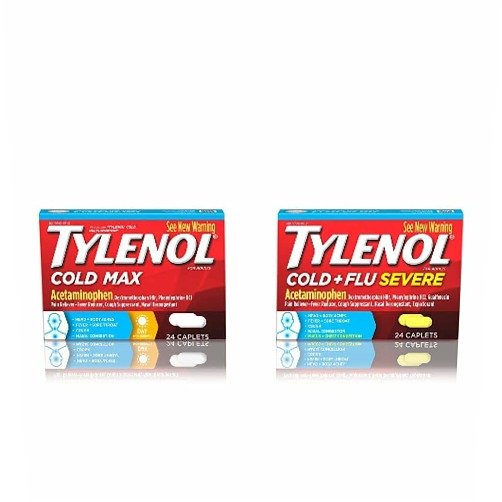
The dangers of Tylenol cold and flu daytime are well known. It is not recommended for children younger than 6 years. Also, if you are pregnant, avoid using Tylenol cold and flu daytime because it can harm your unborn baby. There are also warnings that warn against using the medication if you are taking a MAO inhibitor. These warnings are in addition to the information provided on the label.
tylenol cold and flu products are not recommended for children younger than 6 years
Parents need to be aware that over-the-counter medicines can be harmful if used incorrectly. They should read the drug fact label and find a medicine that treats the symptoms and not the cause. Children younger than six years should not take medications designed for adults. This includes a variety of decongestants and painkillers. Parents should also be aware that the dosage for children under six years is usually different from what an adult would take.
It’s crucial to distinguish between a cold and the flu. The symptoms of a cold may be similar to those of a flu infection, but they’re quite different. The peak of a cold usually occurs on the second or third day. The illness is often short-lived and the child should improve slowly over the next 10-14 days. Occasionally, a cough may linger and last for up to three to four weeks.
The best treatment for a cold is rest and plenty of fluids. Most children will feel better within a week. However, if the symptoms persist, it’s time to see a doctor. Many children do not have serious complications from a cold, but it’s still better to stay away from sick people. However, it’s important to remember that Tylenol cold and flu products are not suitable for children under 6 years of age.
It’s best to consult your pediatrician if your child has a fever. A fever is the body’s way of fighting infection. You can use OTC medications like Tylenol and Motrin for fever control. However, be sure to use a thermometer to ensure that you’re giving the right dose. These medicines are also not effective for children younger than two years of age.
Although many parents are tempted to purchase over-the-counter cold and flu medicines to keep their children comfortable and relieve their symptoms, the FDA has warned against giving these medicines to children younger than 6 years of age. This is largely due to the risk of overdosing on over-the-counter cough and cold products. Despite this, parents should exercise caution when administering cough and cold medicines to their kids.
The signs of a cold are similar for children younger than six years of age. They usually include a scratchy throat, watery eyes and nasal discharge. While symptoms typically clear up within seven to ten days, if symptoms persist, your child could get sicker and need hospitalization. To prevent this, vaccines are recommended. Children can get the flu from either RSV or COVID-19. The symptoms of COVID-19 can be mild or even non-existent.
tylenol cold and flu daytime may harm unborn baby
Although the safety of Tylenol Cold and Flu has not been determined, the ingredients may pose a threat to the developing baby. The daytime version contains acetaminophen while the nighttime version contains a cough suppressant called dextromethorphan. Both of these ingredients can decrease fetal activity and should be avoided during pregnancy. Moreover, the nighttime version contains an additional ingredient, phenylephrine.
Although most colds do not pose a risk to an unborn child, it is important to consult your health care provider if the symptoms last for more than two days. If coughing excessively or the fever is high, you should contact your health care provider. In addition, avoiding touching your eyes, nose, and throat is crucial. Finally, washing your hands frequently and avoiding sharing food is vital to preventing the spread of germs.
Do not use tylenol cold and flu daytime if you have taken an MAO inhibitor
It is important to consult a doctor before using Tylenol cold and flu daytime, because it contains a drug known as an MAO inhibitor. This medication can affect certain medical tests. Other side effects include pale stools, dark urine, and headache. Patients should always check with a doctor if any of these symptoms persist or are too severe.
If you have been taking an MAO inhibitor, you should avoid taking acetaminophen, which can affect your liver function and cause liver failure. You should contact your doctor immediately if you notice any nausea or dark urine while taking acetaminophen. It is also important to avoid use of Tylenol cold and flu daytime if you have liver disease, have a history of liver problems, or drink alcohol. Acetaminophen has been associated with a number of serious drug interactions, including phene and furazolidone.
The same goes for other drugs. If you are taking antidepressants, you should check with your doctor before taking over-the-counter cold remedies, including Tylenol. It contains dextromethorphan, which is a common ingredient in cough and flu medications. Some antidepressants can also interact with dextromethorphan. Monoamine oxidase inhibitors can interfere with other drugs, vitamins, and even food. Cold and flu preparations can also contain non-steroidal anti-inflammatory drugs, which can increase the risk of gastrointestinal bleeding.